
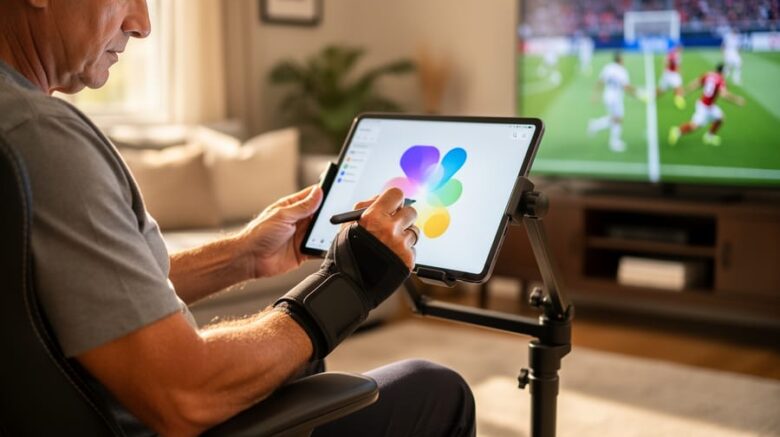
Choose platforms with ergonomic mobile apps and voice-activated features that minimize repetitive tapping and swiping motions that can aggravate joint pain. Modern sports betting platforms like 7games bet grátis increasingly offer accessibility options including larger touch targets, simplified navigation, and hands-free controls that reduce strain on fingers and wrists.
Set up your viewing environment with adaptive equipment before placing bets or starting live streams. Position tablets or phones at eye level using adjustable stands to prevent neck strain, use stylus pens with cushioned grips instead of fingertips for screen interactions, and consider voice-to-text features for entering bet amounts or searching for games.
Schedule betting sessions during times when your arthritis symptoms are typically less severe, often mid-morning after morning stiffness subsides but before afternoon fatigue sets in. This strategic timing allows you to enjoy the excitement of live sports betting while managing your energy levels and joint comfort.
Implement the 20-20-20 rule by taking breaks every 20 minutes to look away from screens for 20 seconds while doing 20 gentle hand stretches. This practice prevents both eye strain and joint stiffness from prolonged device use, making extended viewing sessions more comfortable and sustainable for arthritis management.
Living with arthritis should not exclude you from participating in modern entertainment like sports betting and live streaming. With thoughtful adaptations and the right tools, you can engage fully in these activities while protecting your joints and maintaining your quality of life.
Why Online Sports Betting Works for Arthritis Warriors
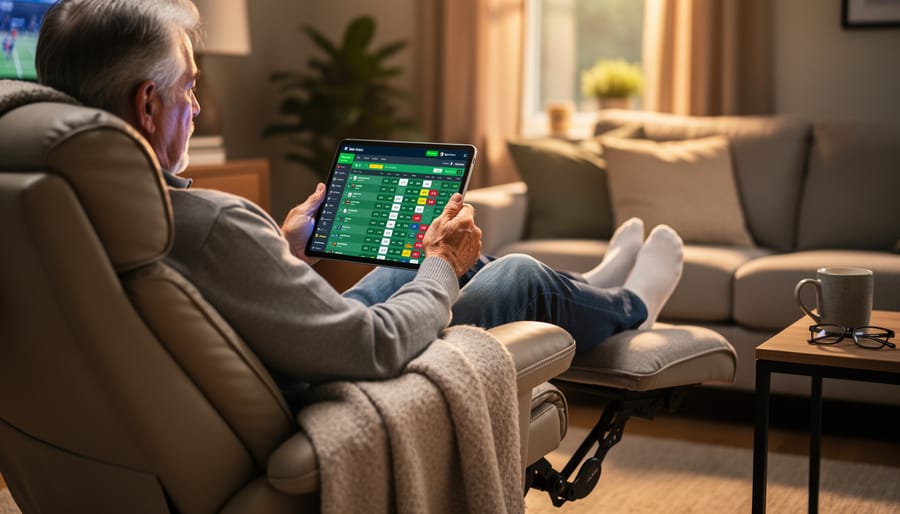
Skip the Casino Trip: Bet From Your Recliner
For many people living with arthritis, the physical journey to a casino or betting shop can be more exhausting than the activity itself. Walking through crowded parking lots, navigating busy casino floors, and standing in line at betting windows all take a toll on already-stressed joints. By the time you reach your destination, you might be too fatigued to enjoy the experience.
Online sports betting platforms have transformed this landscape entirely. Now you can place wagers from the comfort of your favorite chair, eliminating the physical demands that traditional betting venues require. There’s no need to navigate stairs, stand for extended periods, or endure long car rides that can worsen morning stiffness or trigger flare-ups.
The convenience extends beyond just avoiding travel. You can bet during the times when you feel your best, whether that’s early morning before joints stiffen or late evening when pain medication has taken effect. You’re in control of your environment, with your heating pad nearby, your medication on schedule, and the ability to adjust your position whenever needed. This accessibility means you can enjoy sports betting without compromising your physical well-being or exhausting yourself before the game even begins.
When Flare-Ups Hit: Flexibility on Your Terms
Living with arthritis means some days feel better than others, and online sports betting platforms respect that reality. Unlike traditional betting shops or casinos that require physical presence, digital platforms let you participate when your body cooperates and step back when it doesn’t—without guilt or pressure.
During flare-ups when joint pain or stiffness makes even basic tasks challenging, you can simply skip betting activities. There’s no expectation to attend an event you’ve committed to or explain your absence. The platforms remain available whenever you’re ready to return, with no opportunities truly lost—there’s always another game, another match, another chance to engage.
On better days, you can dive in fully, exploring different sports, researching teams, and enjoying live streams from your most comfortable position. This flexibility aligns perfectly with managing arthritis symptoms, which often requires listening to your body and adjusting activities accordingly.
The key advantage is control. You decide when and how much to participate based on your physical state, energy levels, and pain management needs. This autonomy transforms what could be a stressful obligation into a genuinely enjoyable activity that fits your lifestyle, not the other way around.
Choosing Arthritis-Friendly Betting Platforms
Look for Large Buttons and Simple Navigation
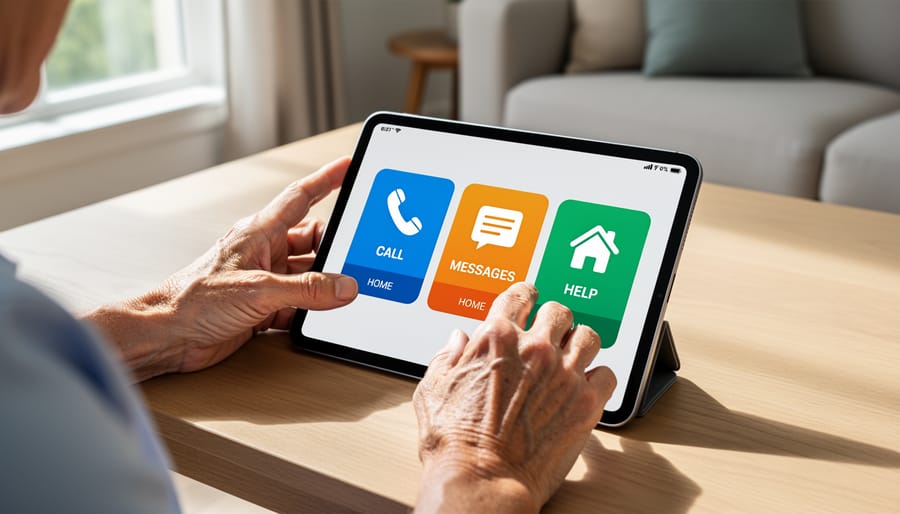
When selecting a sports betting platform, pay close attention to the interface design. Look for sites and apps that feature large, clearly labeled buttons that are easy to tap or click, even when your joints feel stiff or painful. This seemingly small detail can make a significant difference in your overall experience.
Many people with arthritis find that traditional websites with small, closely-spaced buttons require precise movements that can trigger discomfort or lead to accidental clicks. The best arthritis-friendly platforms understand this challenge and design their interfaces with accessibility in mind. Ideally, buttons should be at least 44 pixels square, which follows standard accessibility guidelines and provides enough space for comfortable interaction.
Clear navigation is equally important. A simple, logical menu structure helps you find what you need without excessive scrolling or clicking through multiple pages. Look for platforms that organize betting options into well-defined categories with consistent placement, so you can quickly locate your favorite sports or live streams without straining your hands.
Consider testing the platform during a trial period or with small bets first. Notice whether you can comfortably navigate the site during a flare-up when your symptoms are more pronounced. The right platform should feel intuitive and require minimal hand movement to accomplish your goals.
Voice Commands and Accessibility Features
Modern sports betting platforms are increasingly recognizing the importance of accessibility features, and many now offer tools that can significantly ease navigation for people living with arthritis. Voice command technology has become a game-changer, allowing you to place bets, check odds, and navigate streaming options using simple spoken instructions instead of repetitive tapping or clicking that can strain painful joints.
Several major platforms now integrate with popular voice assistants like Amazon Alexa and Google Assistant, enabling hands-free betting from the comfort of your home. Screen reader compatibility ensures that individuals with both arthritis and vision challenges can access all platform features through audio descriptions. Look for platforms that offer adjustable text sizes, high-contrast display modes, and simplified navigation menus that reduce the number of clicks needed to complete actions.
Some progressive betting sites have introduced gesture controls and eye-tracking technology as alternatives to traditional mouse or touchscreen interaction. When evaluating platforms, test their accessibility features during free trial periods or with small initial deposits. Don’t hesitate to contact customer support to inquire about assistive technology compatibility—platforms committed to accessibility will readily provide this information and may offer personalized setup assistance to ensure you can participate comfortably and confidently.
Mobile Apps vs. Desktop: What Works Best for Stiff Joints
Choosing between mobile apps and desktop platforms depends largely on your individual arthritis symptoms and what feels most comfortable for your joints. Mobile devices offer significant advantages for many people with stiff joints. Tablets provide larger screens than phones while remaining lightweight, allowing you to rest the device on your lap or a cushioned surface, eliminating the need to grip tightly. This reduces strain on finger joints and wrists. Voice commands and adaptive touchscreen features make navigation easier when dexterity is limited.
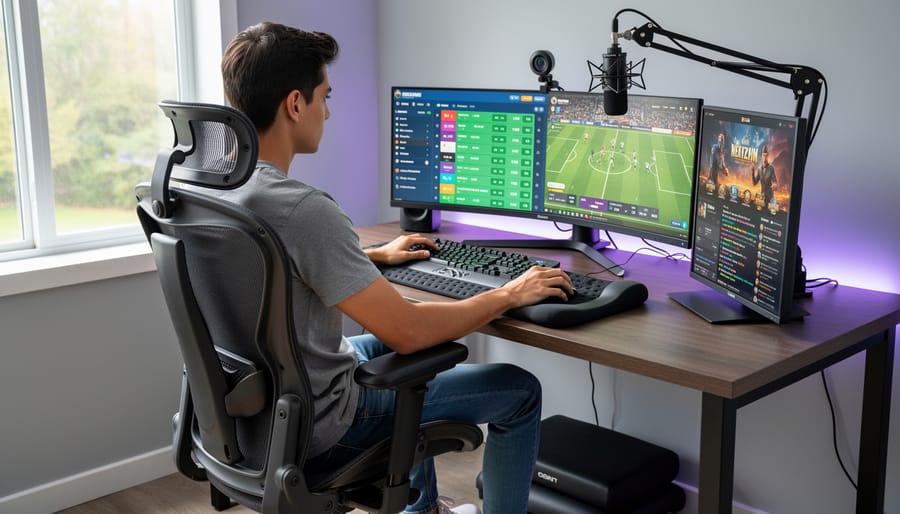
However, desktop setups shouldn’t be overlooked. A traditional computer with an ergonomic mouse designed for arthritis can reduce repetitive finger motions needed for tapping. Desktop screens are larger, minimizing eye strain and allowing for easier reading of betting odds without zooming. Many find that arm rests and proper desk positioning support better posture during longer viewing sessions.
Consider trying both formats during different flare-up periods to discover what works best for you. Some people alternate based on symptom severity that day, using mobile during mild discomfort and desktop when hands need extra support.
Live Streaming: Watch the Action Without the Stadium Stress
Comfort Over Crowded Bleachers
Anyone who’s navigated crowded stadium bleachers knows the physical toll it takes, but for those living with arthritis, the challenge becomes particularly daunting. Climbing steep stairs with inflamed knees, squeezing through narrow rows as hips protest, and sitting on hard benches for hours can transform an exciting game into an endurance test. Add unpredictable weather, long bathroom lines, and the difficulty of carrying food and drinks, and the experience becomes less about enjoyment and more about managing pain.
Home viewing offers a refreshing alternative. Your living room becomes your personal luxury suite, complete with supportive seating tailored to your needs. Invest in ergonomic recliners with lumbar support, adjustable armrests, and heating features that soothe stiff joints. Position cushions exactly where you need them. Take movement breaks whenever necessary without missing crucial plays, thanks to pause and rewind capabilities on streaming platforms.
The controlled environment means you can adjust lighting to reduce eye strain, maintain comfortable temperatures, and access your medications and joint-care tools immediately. There’s no judgment when you need to stand, stretch, or apply topical treatments during the game. This personalized comfort allows you to focus on the excitement of live sports and strategic betting decisions rather than counting down until you can finally leave.

Control Your Viewing Environment
One of the most significant advantages of betting and streaming sports from home is the complete control over your physical environment—something that can make all the difference when living with arthritis. Unlike crowded sportsbooks or stadiums with uncomfortable seating and limited accessibility, your home allows you to create conditions that support your comfort and joint health throughout the viewing experience.
Temperature control becomes particularly important for arthritis management. Many people with arthritis find their symptoms worsen in cold environments, and being able to adjust your thermostat to a comfortable warmth can help reduce stiffness and pain. You can also keep heating pads, warm blankets, or cooling packs within easy reach, depending on what your joints need at any given moment.
Your own restroom is always accessible without navigating long distances or waiting in lines—a convenience that matters when certain arthritis medications affect bladder function or when joint pain makes mobility challenging. You can also keep all your medications, supplements, and natural pain relief strategies readily available without having to carry them through security or worry about access during crucial game moments.
Perhaps most importantly, you have the freedom to move and stretch whenever your body signals the need. Standing up during commercials, gentle stretching during halftime, or adjusting your position without disturbing others allows you to prioritize joint health while still enjoying every exciting moment of the game.
Protecting Your Joints While You Play
Ergonomic Setup Tips for Prolonged Betting Sessions
Creating a comfortable setup for your betting sessions can significantly reduce joint strain and help you enjoy the experience without unnecessary discomfort. Start with your seating arrangement—choose a chair with proper lumbar support and armrests positioned at a height where your elbows rest comfortably at a 90-degree angle. This takes pressure off your shoulders and wrists, two areas particularly vulnerable to arthritis flare-ups.
Device positioning matters tremendously. Whether you’re using a tablet, smartphone, or computer, position the screen at eye level to avoid neck strain. Consider using a tablet stand or laptop riser to achieve the optimal viewing angle without hunching forward. For smartphones, specialized holders can keep devices within easy reach while maintaining proper posture.
Wrist support is essential during extended betting sessions. Ergonomic mouse pads with gel wrist rests, compression gloves designed for arthritis, or simple rolled towels can cushion your joints and reduce inflammation. Many people with arthritis find that alternating between devices—switching from a mouse to a touchscreen or using voice commands—helps prevent repetitive stress on any single joint.
Take frequent breaks to stretch and move around. Even standing up for two minutes every half hour improves circulation and prevents stiffness. Keep your betting environment at a comfortable temperature, as cold can worsen joint pain. Finally, ensure adequate lighting to reduce eye strain, which can contribute to tension headaches and neck discomfort during those exciting live game moments.
Adaptive Tools That Make Betting Easier
The right tools can transform your sports betting experience from painful to enjoyable. Many people with arthritis find that traditional computer mice and smartphones require uncomfortable gripping and repetitive movements that trigger flare-ups. Fortunately, several assistive devices are designed specifically to reduce hand and wrist strain.
Ergonomic vertical mice allow your hand to rest in a natural handshake position, significantly decreasing pressure on your joints. For those who prefer touchscreens, capacitive styluses eliminate the need for firm pressing while providing precise control when placing bets or navigating streaming platforms. These simple tools often cost between $10 and $40, making them an affordable investment in comfort.
Tablet stands with adjustable angles prevent you from hunching over devices, which can worsen neck and shoulder pain during extended viewing sessions. Position your screen at eye level to maintain better posture while watching live games.
Voice-activated controls represent perhaps the most arthritis-friendly option available. Both iOS and Android devices offer built-in voice commands, while Amazon Alexa and Google Assistant can help you navigate betting apps hands-free. Many people discover that combining voice control with other adaptive tools creates the most comfortable setup for their individual needs. Experiment with different options to find what works best for you.
Setting Time Limits to Prevent Overuse
Whether you’re watching live streams or placing bets, managing your time is essential for arthritis wellness. Extended periods in one position can increase joint stiffness and discomfort. Set a timer to remind yourself to take breaks every 20-30 minutes. During these breaks, perform gentle stretches targeting your hands, wrists, neck, and shoulders. Stand up and walk around to improve circulation and reduce pressure on weight-bearing joints. Consider using apps that send movement reminders or scheduling betting activities in shorter sessions throughout the day rather than marathon viewing sessions. Remember that managing arthritis symptoms effectively requires a comprehensive wellness approach that includes regular movement breaks. By incorporating these time limits and movement practices, you’ll enjoy sports betting more comfortably while protecting your joint health for the long term.
Responsible Betting When Living With Chronic Pain
Don’t Let Pain Drive Your Decisions
Living with arthritis means navigating daily discomfort, and the connection between stress and chronic pain can cloud our judgment in unexpected ways. When you’re experiencing a flare-up or feeling exhausted from managing symptoms, you might be more vulnerable to impulsive decisions, including those related to sports betting.
Pain and fatigue can diminish our ability to think clearly about risks and consequences. You might find yourself placing bets to distract from discomfort or seeking the excitement as a temporary escape from physical struggles. This is completely understandable, but it’s important to recognize these patterns.
Before engaging in sports betting, establish firm boundaries when you’re feeling well. Set a monthly budget you can afford to lose and stick to it regardless of your pain levels. Consider using deposit limits available on most platforms, and avoid betting during particularly challenging symptom days. Remember, taking care of your financial wellbeing is just as important as managing your physical health. If you notice betting becoming a coping mechanism for pain or stress, reach out to your healthcare provider or a counselor who understands chronic illness challenges.
Betting as Entertainment, Not Escape
Living with arthritis presents daily challenges, and it’s natural to seek enjoyable distractions. However, it’s important to approach sports betting as a form of entertainment rather than an escape from pain or mobility limitations.
Think of sports betting like any other recreational activity—similar to watching a movie, playing cards with friends, or following your favorite team. The goal is enhancement of your viewing experience, not compensation for the difficulties arthritis brings. When betting becomes a way to avoid thinking about joint pain or to fill time lost to physical limitations, it can shift from healthy recreation to problematic behavior.
Set clear entertainment budgets before you begin, treating any money wagered as the cost of an enjoyable experience rather than an investment or solution. If you find yourself betting more frequently on difficult pain days or using it to cope with arthritis-related frustration, it may be time to reassess your relationship with the activity.
Remember that your worth and quality of life aren’t defined by arthritis limitations or betting outcomes. Consider balancing sports betting with other arthritis-friendly hobbies and maintaining connections with your support network. If concerns arise about your betting habits, reach out to your healthcare provider or a counselor who understands chronic illness challenges.
Real Stories: Arthritis Community Members Share Their Experience
Margaret from Ohio discovered online sports betting during a particularly difficult winter when her rheumatoid arthritis flare-ups made leaving home challenging. “I’ve always loved basketball, but getting to games became impossible,” she shares. “Now I can watch live streams on my tablet propped on a pillow, place small bets with voice commands, and feel connected to the excitement without pain.” For Margaret, the social aspect matters most—she’s joined online communities where fellow fans chat during games, creating friendships without the physical demands of traditional gatherings.
James, a 58-year-old with osteoarthritis in his hands, appreciates how modern platforms have eliminated the need for complicated gestures. “I use a stylus pen with a foam grip, and it’s made all the difference,” he explains. “I can enjoy watching soccer matches and participate in friendly betting pools with my old college buddies who live across the country. It’s brought back a sense of normalcy to my weekends.”
For Linda, accessibility features transformed her experience entirely. After years of missing out on her favorite baseball season, she found platforms with customizable interfaces that accommodate her limited dexterity. “The larger buttons and simplified navigation mean I don’t struggle or feel frustrated,” she says. “It’s entertainment on my terms, respecting my body’s limits while still letting me enjoy the thrill of the game.”
These community members emphasize one common theme: accessible online sports entertainment has restored their connection to beloved activities while honoring their physical needs, proving that arthritis doesn’t mean giving up the things that bring joy.
Living with arthritis doesn’t mean giving up the activities you enjoy. As we’ve explored throughout this article, sports betting and live streaming can be accessible, engaging forms of entertainment that work around your physical limitations rather than against them. The key is knowing what features to prioritize and how to protect your joints while participating.
When choosing platforms, look for voice control capabilities, customizable interfaces, and mobile apps that allow you to participate from comfortable positions. Remember that adaptive devices like ergonomic styluses, adjustable stands, and voice-activated assistants can transform your experience from painful to pleasurable. Taking regular breaks, using proper support for your wrists and hands, and listening to your body’s signals are essential strategies for sustainable enjoyment.
Beyond the technical considerations, maintaining responsible practices ensures that entertainment remains healthy and positive. Set clear budgets, establish time limits, and never bet more than you can afford to lose. These activities should enhance your quality of life, not complicate it.
Your experience matters to others facing similar challenges. We invite you to share your own tips, favorite platforms, and adaptive strategies with the arthritis community. What works for your joints might be the solution someone else has been searching for. Whether you’ve discovered a particularly comfortable setup or found creative ways to participate despite flare-ups, your insights can empower others to explore these entertainment options confidently. Together, we can build a more accessible future for everyone living with arthritis.