
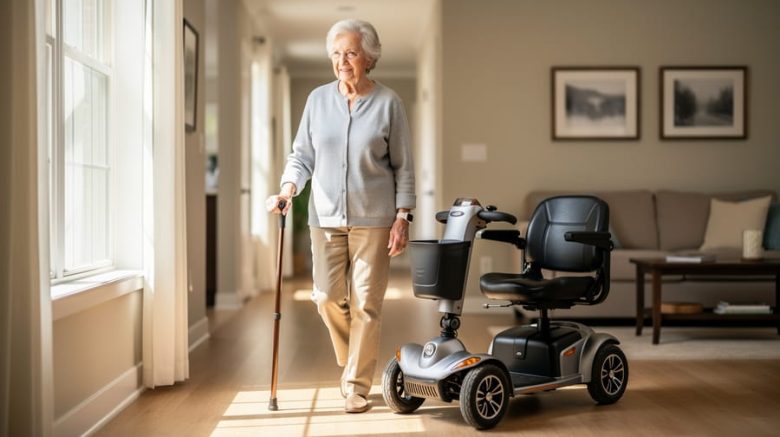
The right mobility aid for a senior depends on three things: how far and where they need to travel, how much joint pain and fatigue they live with, and what their home and vehicle can accommodate. For many people with arthritis, a scooter makes sense when walking longer distances leaves them too sore or exhausted to enjoy the day. A cane or walker may be enough for shorter trips and stable days. Choosing well means matching the device to real daily life, not to a catalogue photo.
Scooters come in several styles, including 3-wheel, 4-wheel, and enclosed models, and the price gap between them is wide. Avantis Canada lists its Glide at $2,199.00 and its Enza Enclosed at $9,899.00, which shows how much the type you choose shapes your budget. Funding matters too. Ontario’s Assistive Devices Program helps people with long-term physical disabilities pay for customized equipment such as wheelchairs, so it’s worth checking early whether you or your loved one may qualify.
We know this decision can feel heavy, especially when it’s tied to the loss of independence people fear most. It doesn’t have to be. This guide walks through the factors that matter, compares the main scooter types, and flags the mistakes that cost people money and comfort. Warranty and return terms vary by seller, so confirm them directly before you buy.
Mobility Aids for Seniors With Arthritis: Matching the Aid to Your Daily Life

Living with arthritis changes how you think about getting around. A good mobility aid can ease pressure on sore hips, knees and hands, and it can save your energy for the things that matter, like family dinners, community meetings and advocacy events. Choosing one isn’t giving in. It’s a practical way to keep showing up.
The options are wide. Canes offer light support, walkers give more stability, rollators add wheels and a seat for resting, and mobility scooters take the walking out of longer trips altogether. Pairing a mobility aid with simple walking strategies can help you move with less strain, and it fits into the bigger picture of how you manage arthritis day to day.
This guide focuses on mobility scooters, since interest in them keeps growing. Retailers such as Advantage Home Health and Avantis Canada now offer 3-wheel and 4-wheel models, and Avantis Canada also lists enclosed ones. Still, a doctor or occupational therapist can help confirm what truly fits your body and your routine.
Here’s an illustrative example. Picture a woman who loves her monthly community support group but has started skipping it because the walk from the parking lot leaves her knees aching for days. After trying a scooter, she gets there rested and stays for the whole meeting, with energy left to chat afterward.
Keep your own days in mind as you read on.
Key Buying Factors: What to Weigh Before You Choose
Indoor Maneuvering vs. Outdoor Travel
Where you’ll use your aid most should shape what you buy. Indoors, a smaller, shorter machine with a tight turning radius makes it easier to get around door frames, hallway corners and furniture in an apartment. That matters even more when sore hands or stiff hips make backing up and readjusting tiring.
Outdoors, the priorities shift. Sidewalks, curbs, parking lots and longer outings tend to reward a larger, steadier frame that feels planted on uneven ground. Wheel configuration plays a big part: three-wheel designs generally turn more tightly, while four-wheel designs generally feel more stable. Retailers such as Advantage Home Health offer both types in a variety of sizes.
If your day includes both, measure your narrowest doorway and hallway first. Then think honestly about how far you travel most weeks, so you’re choosing for your real routine rather than the occasional trip.
Stability, Range, Speed and Load Capacity
Specifications can look like a wall of numbers, but each one answers a practical question about your day.
Range is how far a scooter travels on a single battery charge. Think about your longest typical outing, then choose a model with comfortable room to spare, since cold weather and hills can shorten range. Speed matters less than control. A slower scooter that feels steady is often safer in crowded spaces. Load capacity is the maximum weight the scooter is built to carry, including you and anything you bring along, so choose a model with some margin.
Stability comes from wheel configuration, base width and braking. If you’ll cross uneven sidewalks or curbs, ask how the model handles them.
Specs differ widely between models, so confirm exact figures with the seller or manufacturer for the specific scooter you’re considering. Ask about battery performance in cold temperatures, too. In a Canadian winter, snow, slush and low temperatures can affect both traction and battery life.
3-Wheel, 4-Wheel and Enclosed Scooters Compared

Three-Wheel Scooters: Tight Turns for Indoor and Short Outings
Three-wheel scooters are often the easiest to steer in tight spaces, which is why many people look at them first for apartments, hallways, and short trips to the store or a community event. With a single front wheel, they typically turn more sharply than four-wheel designs, so you can get around furniture and doorways with less effort and less reaching or twisting.
The trade-off is stability. On uneven pavement, gravel, or sloped ground, a three-wheel scooter can feel less steady than a four-wheel model. If your outings include rougher routes, confirm how a specific model handles them, and try it in person before you decide.
Four-Wheel Scooters: Added Stability for Outdoor Use
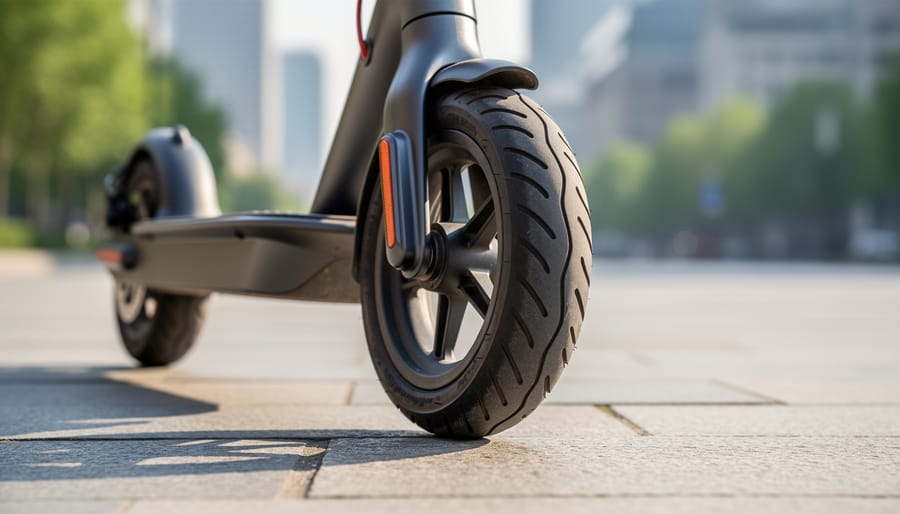
Four-wheel scooters sit on a wider base, which many riders find steadier on sidewalks, park paths and slightly uneven ground. That added stability can feel reassuring if balance is a concern or if joint pain makes sudden shifts in weight hard to manage. Retailers such as Advantage Home Health and Avantis Canada both carry 4-wheel models, so there are options to compare.
The trade-off is a larger turning radius. Tight hallways, small elevators and crowded apartments can be harder to navigate. Before you buy, measure the spaces you use most, and try the scooter in person if you can.
Enclosed Scooters: Weather Protection for Canadian Seasons
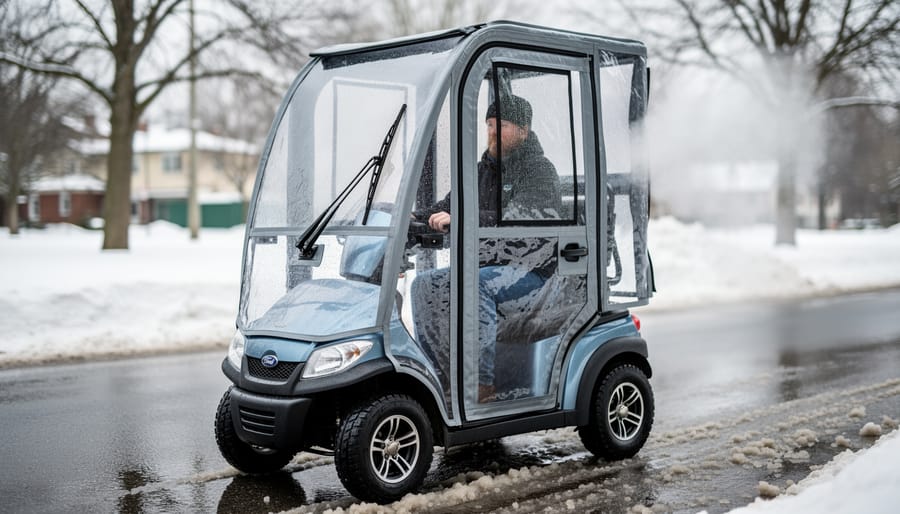
If you live with arthritis, cold, damp and gusty weather can make every outing harder on your joints, so an enclosed scooter may be worth a look. Enclosed models shield you from rain, wind and chill, which could help you stay out through more of the Canadian year.
One example is the Enza Enclosed from Avantis Canada, priced at $9,899.00 plus $0 tax. That is well above the $2,199.00 Glide, so the extra weather protection is a real budget decision. Ask about financing, and confirm warranty and return terms directly with the seller before you buy.
Paying for It: Ontario’s Assistive Devices Program and Other Cost Questions
Cost is often the biggest worry when you start shopping for a mobility aid, so it helps to know where funding might come from. In Ontario, the Assistive Devices Program (ADP) is one place to start. It helps people with long-term physical disabilities pay for customized equipment, such as wheelchairs and hearing aids. The program also helps with the cost of specialized supplies, such as those used with ostomies. You can read more about what the program covers customized equipment and how it works on the province’s official page.
Here’s the important part: this guide can’t tell you whether ADP will help with a particular scooter or how much it might contribute. Eligibility rules and covered items are set by the program, and they can change. Before you commit to a purchase, contact ADP directly and ask what applies to your situation. Your doctor or occupational therapist may also be able to explain the steps involved.
Beyond public funding, it’s worth looking at what each seller offers. Avantis Canada, for example, describes itself as a Canadian-owned company and says it ships across Canada. It also says it has spare parts available and easy financing available. Those details can matter a great deal over the long run. A scooter you can get serviced and repaired is easier to live with than one that sits unused waiting on a part.
Warranty and return terms are a different story. We haven’t verified them for any seller mentioned here, so please don’t assume anything. Ask each company to spell out what’s covered, for how long, and what happens if the scooter turns out not to suit you. Getting those answers in writing gives you something to refer back to.
Taking your time with these questions is not being overly cautious. It’s part of making a choice you can feel good about, one that supports your independence without adding financial stress.
Recommendations: Which Type Fits Which Situation
Every situation is different, so think in scenarios rather than brand rankings. Here is a starting point to bring to your care team:
- Mostly indoors and short outings: a 3-wheel scooter, since its tighter turning suits hallways, shops and apartments.
- Regular outdoor travel on mixed surfaces: a 4-wheel scooter, which tends to feel steadier on uneven sidewalks and paths.
- Year-round use in cold or wet weather: an enclosed scooter, which keeps wind, rain and snow off you.
- A tighter budget: a simpler 3-wheel or 4-wheel model, as long as it still fits how you really get around.
The two Avantis Canada examples show how much the range can vary. The Glide is priced at $2,199.00, while the Enza Enclosed is $9,899.00. Neither is an endorsement. They simply show how weather protection and added features change the price. Avantis Canada also says it has spare parts available and easy financing, which can matter if you are weighing the upfront cost. Advantage Home Health, meanwhile, offers both 3-wheel and 4-wheel models in a variety of sizes, so it’s worth comparing a few retailers.
Cost is rarely just the sticker price. If you’re balancing this purchase against other expenses, our guide to managing care costs may help you plan.
Whichever scenario sounds like you, try a model in person before you commit. Notice how the seat feels after a few minutes, whether the controls are comfortable for sore hands, and how easily you can get on and off. An occupational therapist or your doctor can also help you match a scooter to your joints, strength and daily routine.
Common Mistakes to Avoid When Buying a Mobility Aid
Choosing a mobility aid is a big decision, and almost everyone makes a misstep or two along the way. Knowing the common ones can save you money, frustration, and sore joints.
- Buying on price alone: a lower price can mean a poor fit, so weigh comfort and how you’ll actually use the aid.
- Ignoring transport and storage: measure your car trunk, hallway, and storage spot before you commit.
- Skipping a test ride: sit on it, steer it, and turn it in a tight space, ideally at a retailer’s showroom.
- Overlooking seat and control comfort: check that grips, levers, and the tiller are easy on sore hands, wrists, and joints.
- Not confirming funding eligibility first: ask the Ontario Assistive Devices Program what it covers before you buy.
- Forgetting parts, service, warranty, and return terms: ask each seller for these in writing, since terms vary.
That last point matters more than it seems. Avantis Canada, for example, says it keeps spare parts available, but you should still confirm service, warranty, and return details directly with any seller you’re considering.
It also helps to pay attention to how you feel during the process. Shopping for a mobility aid can be emotional, and a flare-up on a tiring shopping day can cloud your judgment. Many people find that stress and arthritis go hand in hand, so take your time, bring a trusted friend or family member, and don’t feel rushed into a purchase. Your care team can help you sort through the options at your own pace.
Frequently Asked Questions About Mobility Aids for Seniors
What is the difference between a 3-wheel and 4-wheel scooter?
Three-wheel models generally turn more tightly, which helps indoors and in small spaces. Four-wheel models tend to feel steadier outdoors, especially on uneven ground. Retailers such as Advantage Home Health and Avantis Canada offer both types in a range of sizes.
Are enclosed scooters worth the extra cost?
They can be, if you ride year-round in cold, wet or windy weather and want protection from the elements. They cost more, though: Avantis Canada lists its Enza Enclosed model at $9,899.00, compared with $2,199.00 for its Glide. Whether the extra cost makes sense depends on how often you’d use it in poor weather.
Does Ontario’s ADP help pay for mobility equipment?
The Assistive Devices Program helps people with long-term physical disabilities pay for customized equipment such as wheelchairs and hearing aids. Coverage varies by device and eligibility, so check with ADP directly before you buy anything.
Can I use a mobility scooter in winter?
Many people do, but snow, ice and cold can affect traction, comfort and battery performance. Ask the seller or manufacturer how a specific model handles winter conditions, and consider whether an enclosed model suits your climate.
How do I know if I need a scooter or a walker?
Think about how far you need to travel, how much standing or walking your joints can comfortably manage, and how much energy you have by the end of the day. A doctor or occupational therapist can help you weigh the options and confirm what fits.
Still wondering where to start? It helps to see the full range of choices before you narrow things down. Our guide to essential mobility aids covers options beyond scooters, which can be useful if you’re still deciding what suits your daily routine. And if you have questions that aren’t answered here, we’d love to hear them from the Arthritis Community & Network.
Choosing a mobility aid isn’t giving something up. It’s a way to protect your independence and keep showing up for the people and events that matter to you, whether that’s a family dinner, a community meeting, or a walk in the neighbourhood.
When you weigh your options, come back to a few core questions. Where will you use it most: indoors, outdoors, or both? How stable and supported do you feel, especially on days when your joints are sore? What fits your budget, and have you checked funding eligibility, including through Ontario’s Assistive Devices Program, before you buy? Ask each seller directly about parts, service, warranty and return terms, since those details can differ.
Try a model in person if you can, and talk with your doctor or an occupational therapist about what suits your body and your daily routine. They can help you find a fit that eases strain rather than adding to it.
You don’t have to figure this out alone. We’d love to hear about your own experiences with mobility aids, what worked, what you’d do differently, and what you wish you’d known sooner. Share your story with the Arthritis Community & Network so others can learn from you, and keep moving toward the life you want.